Building Confidence through Community, Bikepacking through Pisgah
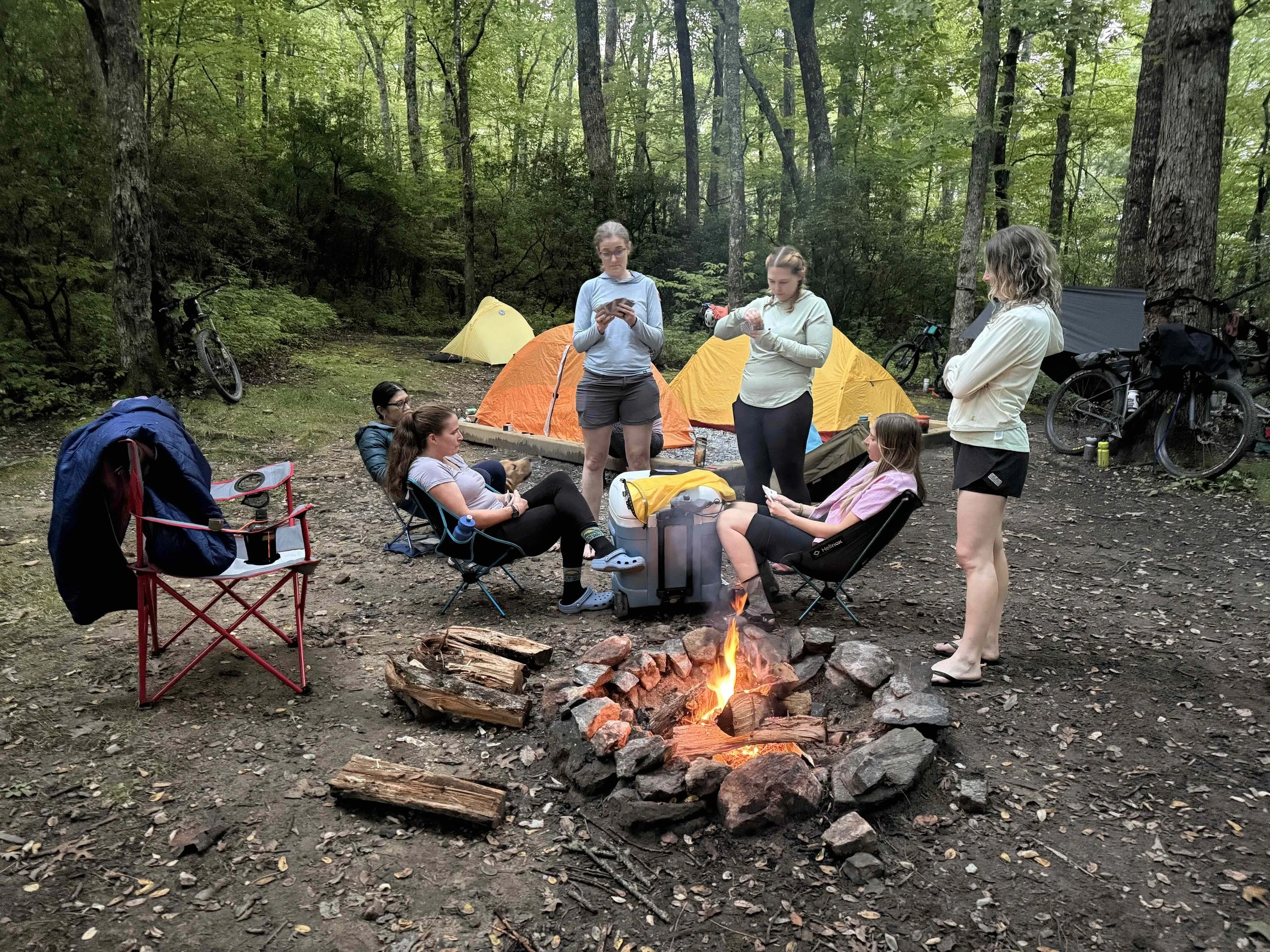
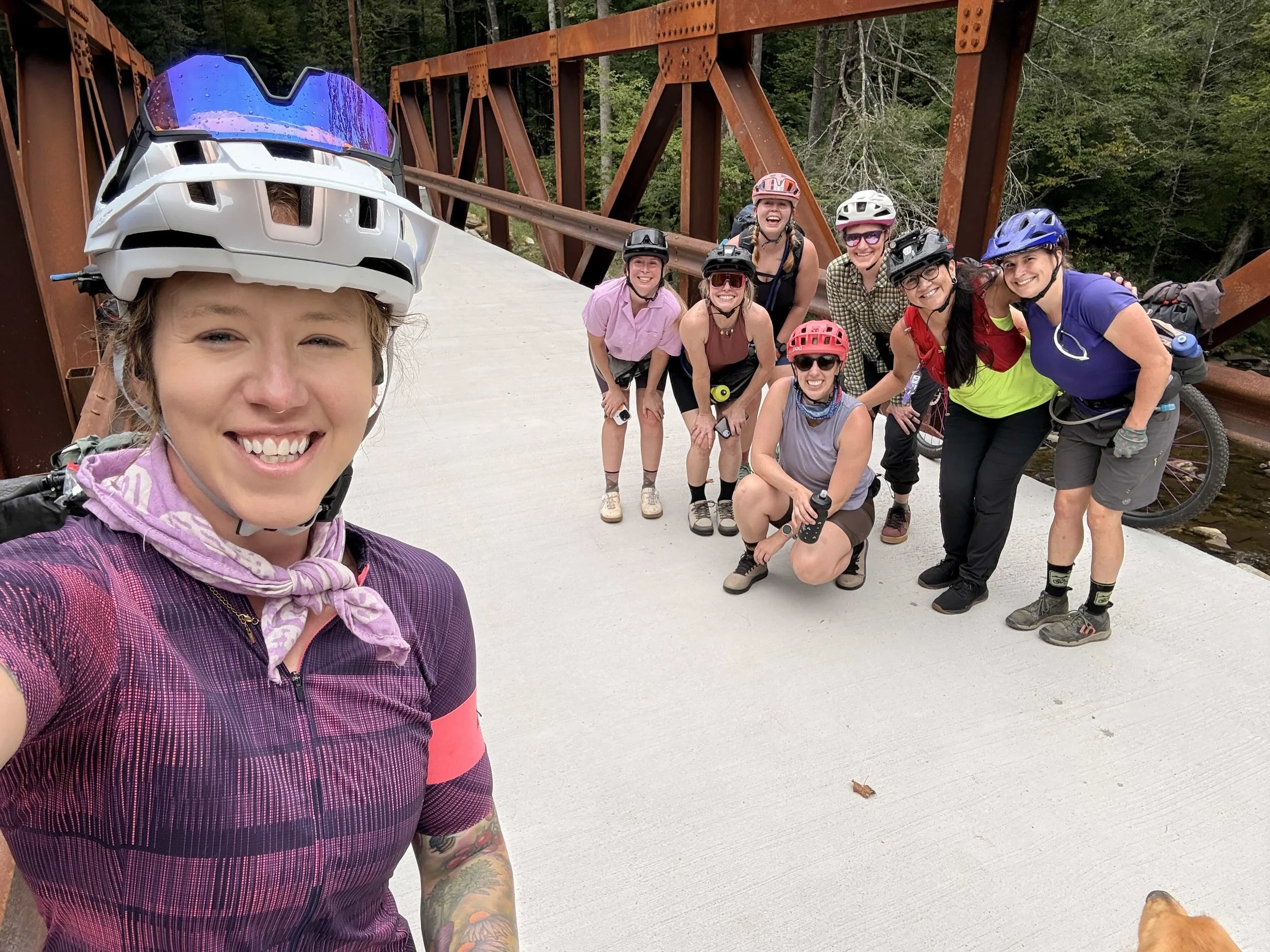
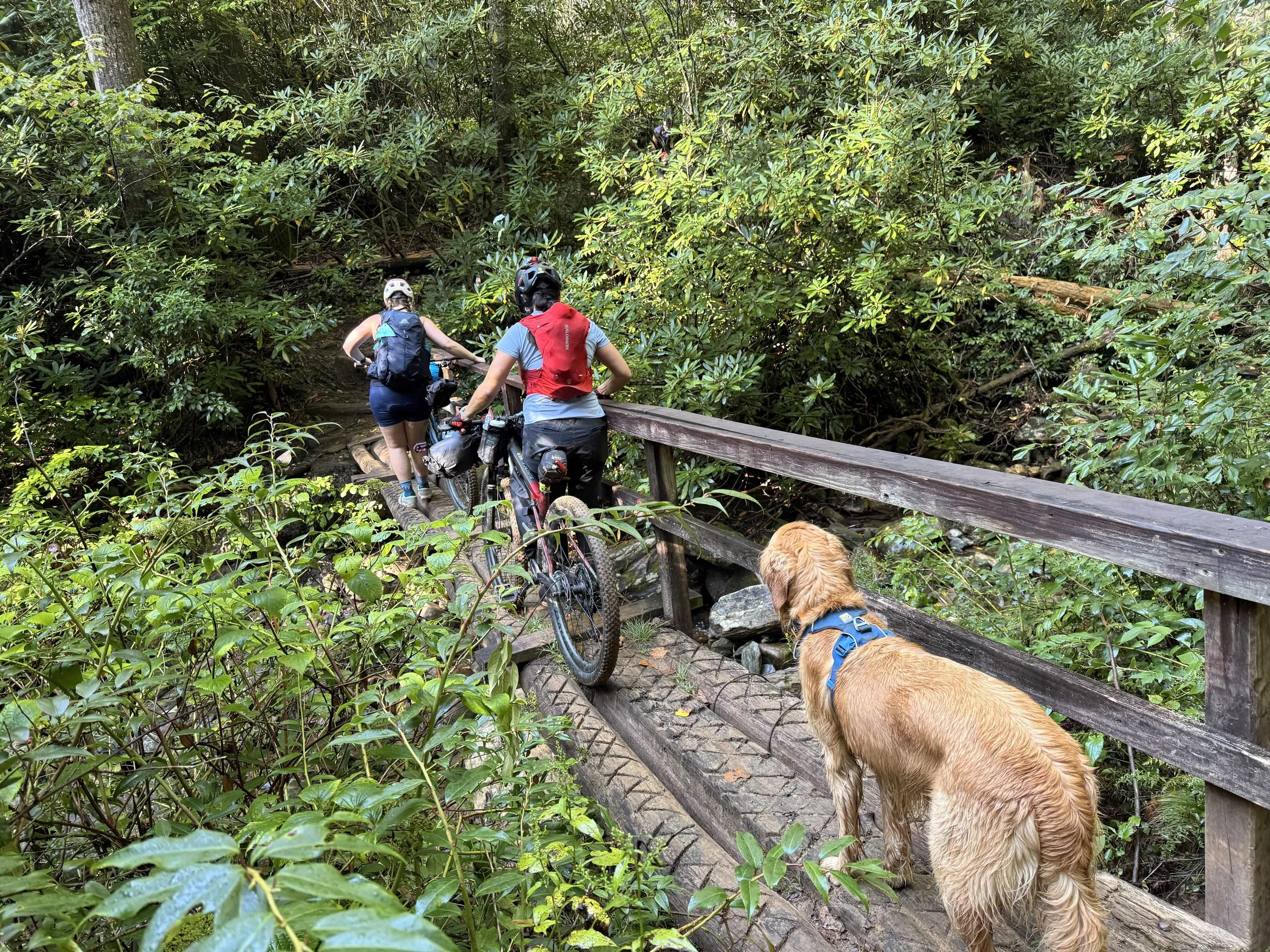
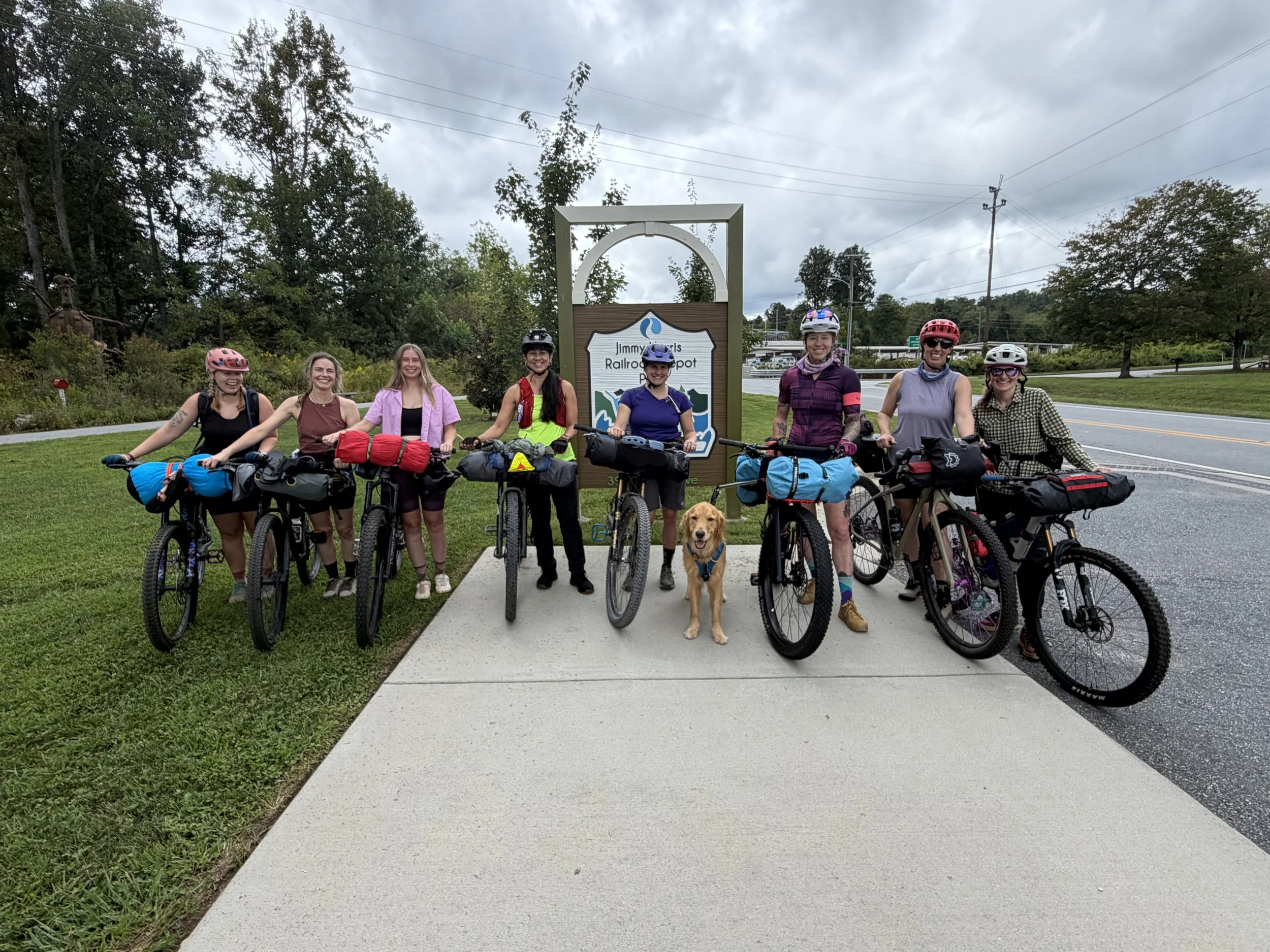
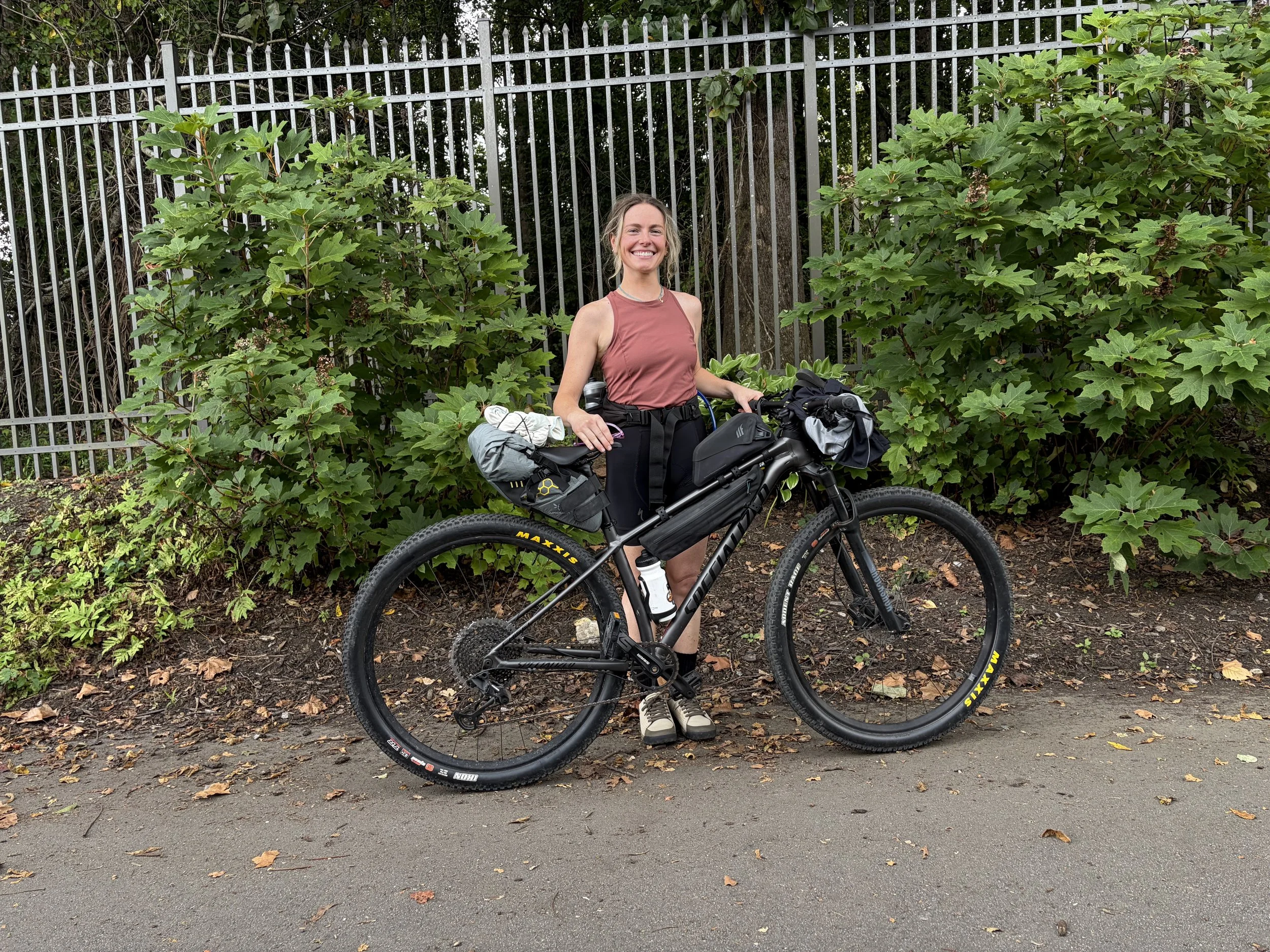
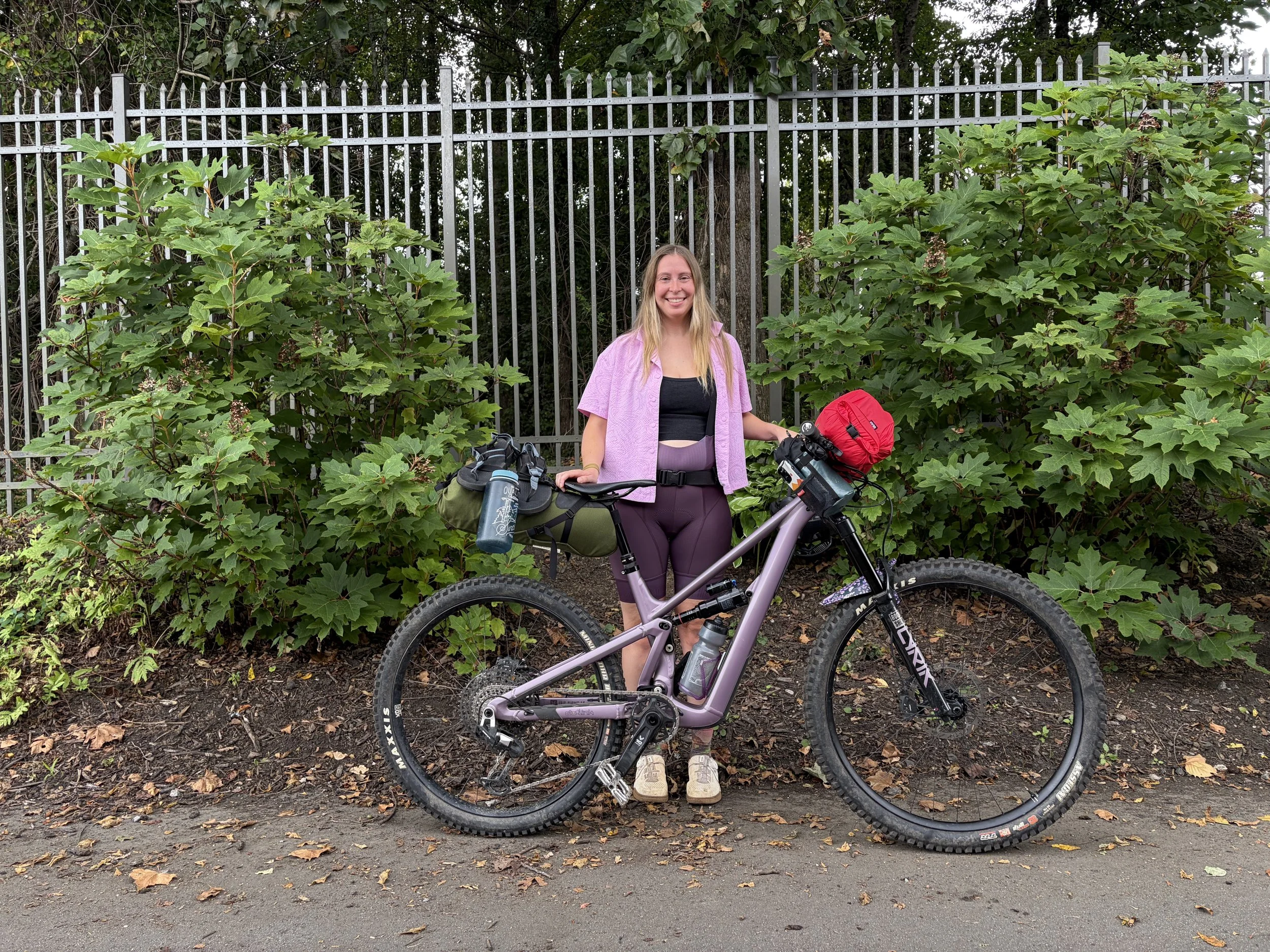
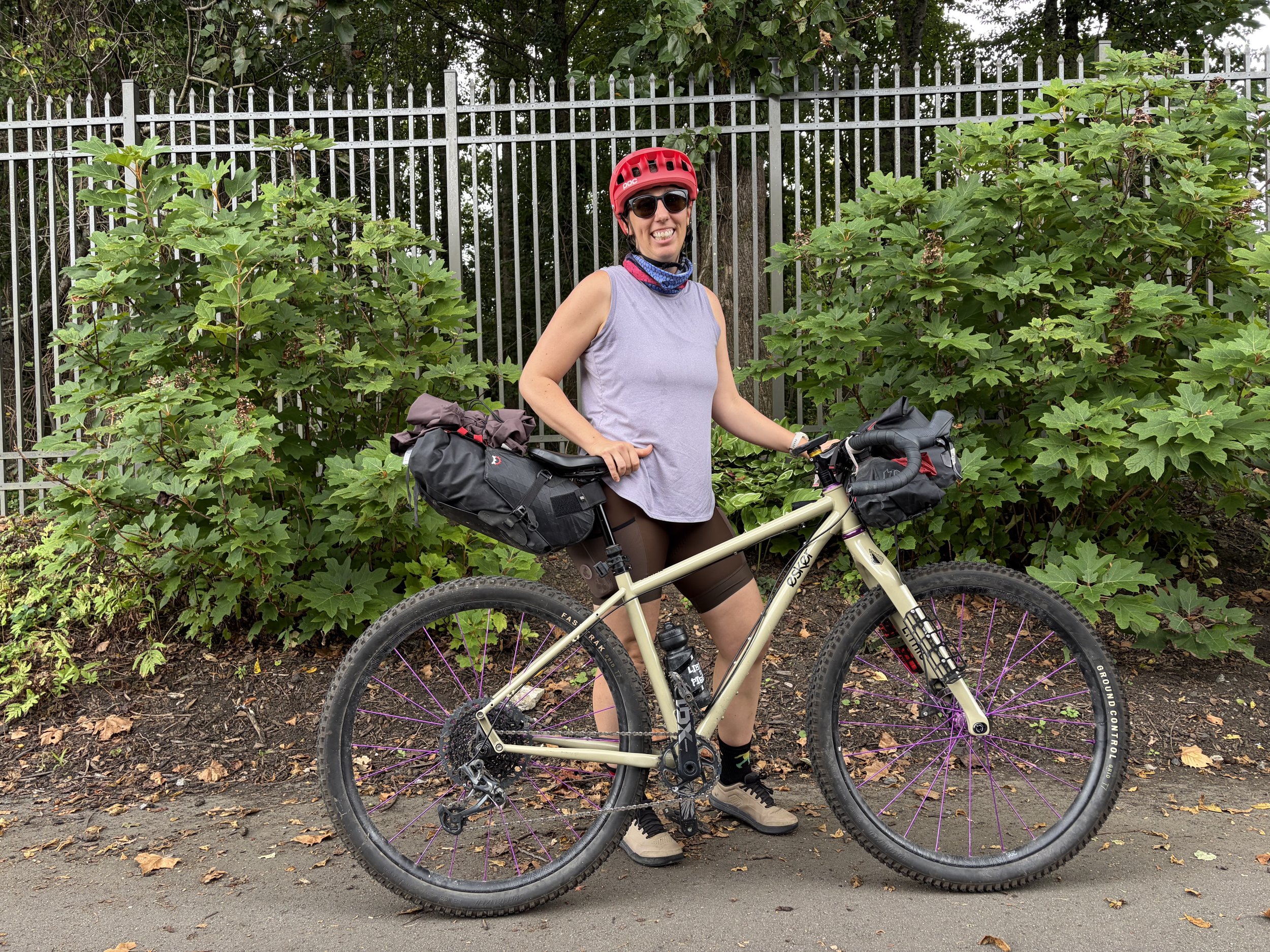
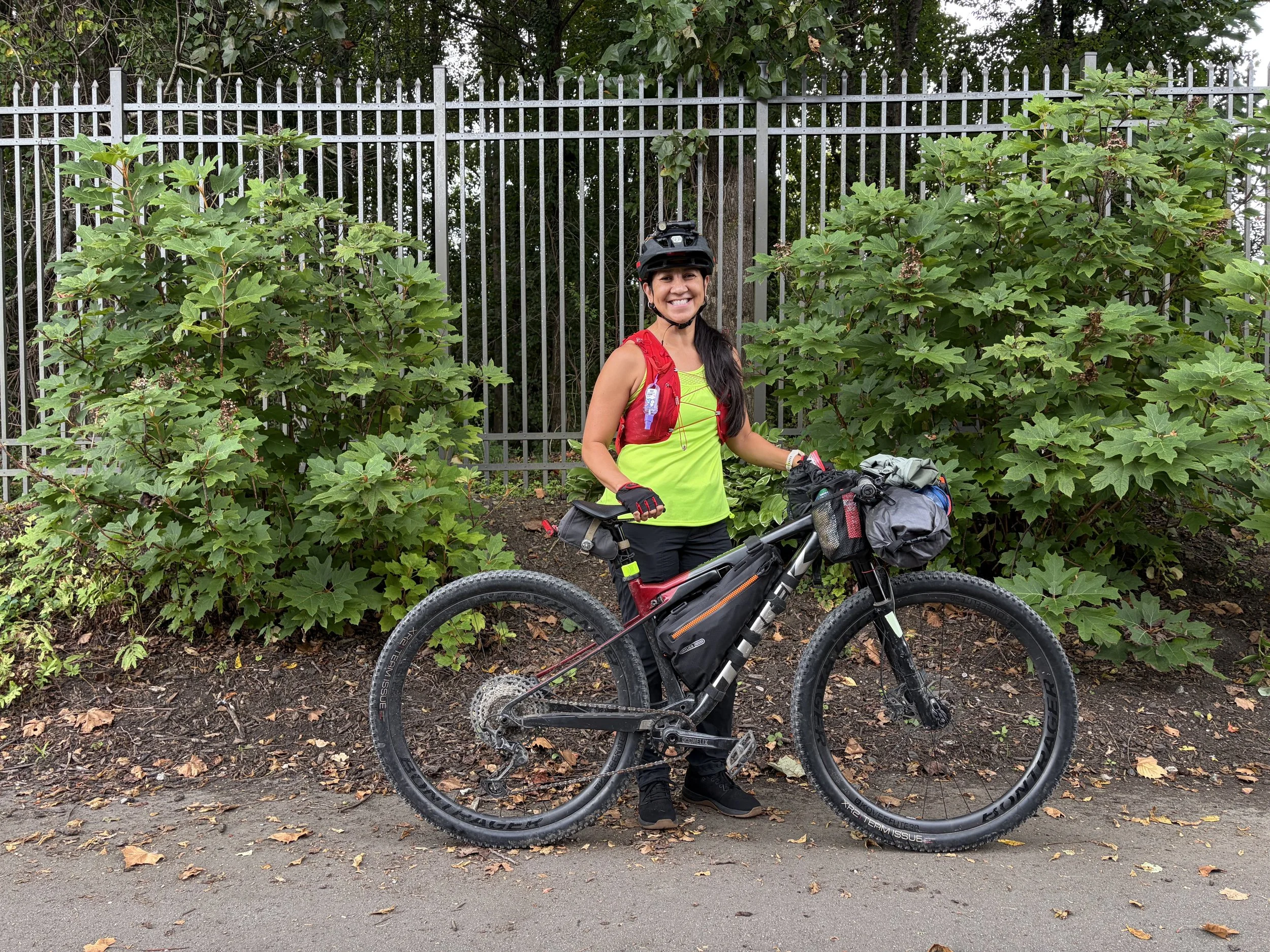
To end the summer season, Pisgah Area SORBA teamed up with Caitlin Walters, owner of Earth Mountain Bicycle, to lead a women's bikepacking overnight in Pisgah National Forest. For the group, it was a weekend of learning new skills, building new friendships, and for at least one rider, a first time doing something she had only ever imagined.
Caitlin has seen firsthand how much confidence can come from having a supportive environment to try something new. Bikepacking can feel intimidating when you're first getting started, figuring out what gear you actually need, how to pack your bike, where you can camp, how to plan a route, and what to do when something goes wrong. Her goal was to take away some of those barriers and create an experience where women could learn those skills together, ask questions, and realize you don't need to be an expert to get out there.
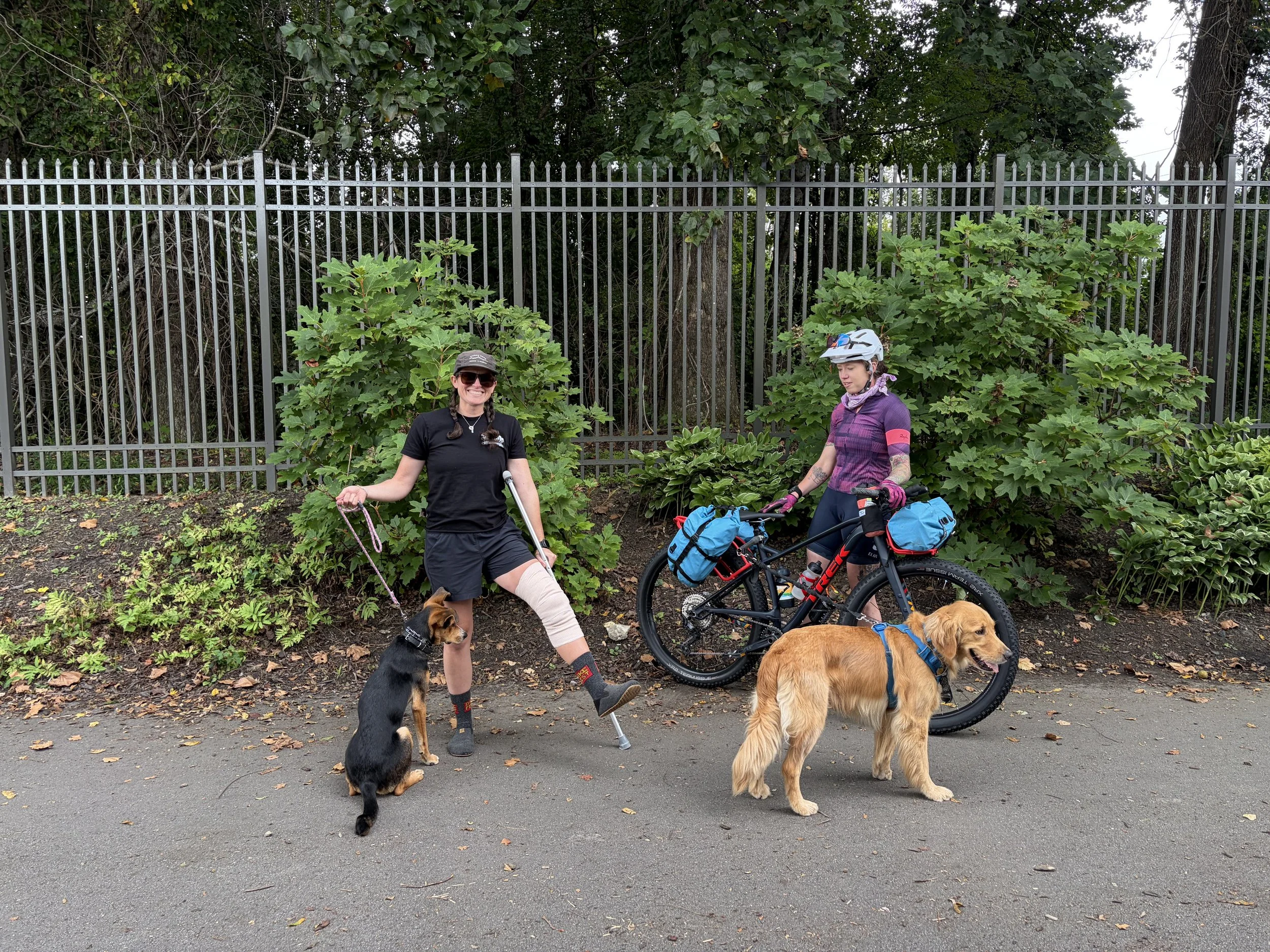
For Caitlin, the trip is also a natural extension of the community she has built through Earth Mountain Bicycle. "We've always wanted the shop to be more than somewhere where you buy a bike or get one serviced," she said. "We want it to be a place that connects people, to each other, to riding, and to the incredible public lands we have right outside our door." That shared vision is exactly why the partnership with Pisgah Area SORBA made sense. PAS brings the stewardship and trail advocacy side of the local cycling community, while Earth Mountain brings the gear knowledge and ride preparation so that together the overnight becomes a chance to talk about Explore Brevard’s Leave It Better principles, responsible route and campsite selection, and what it means to recreate responsibly in Pisgah.
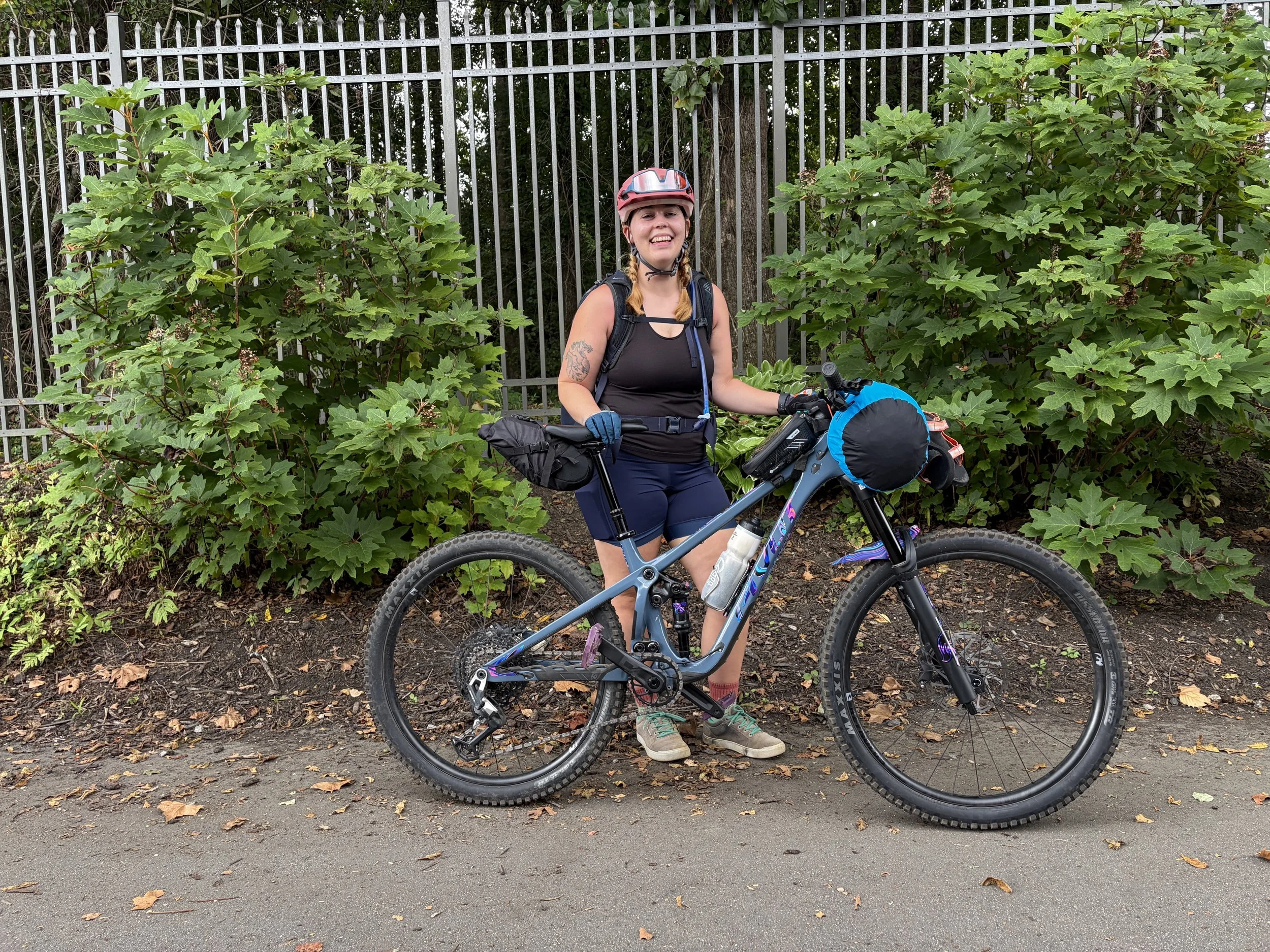
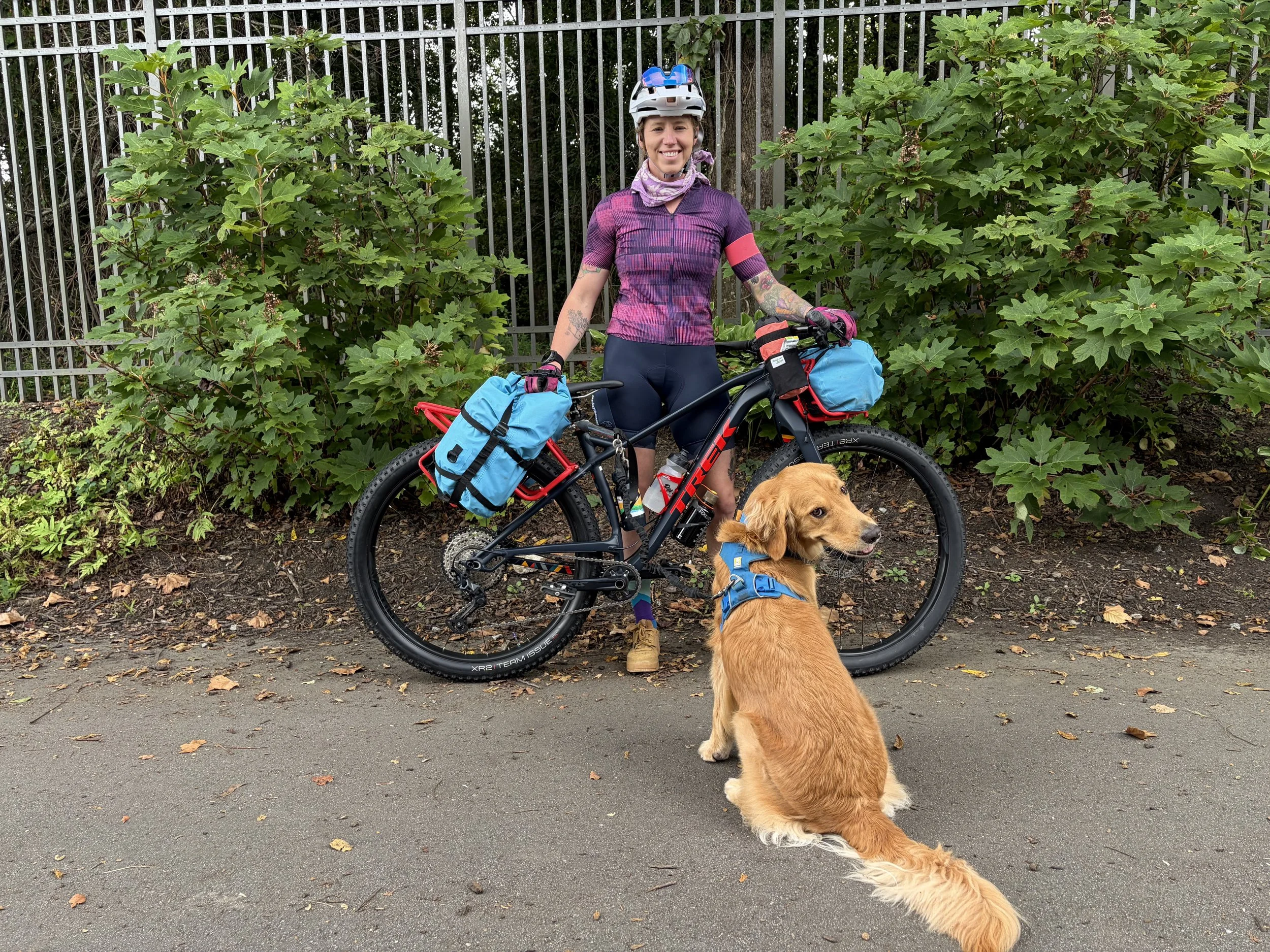
For Anna, this was her first bikepacking trip. She had been drawn to the slower pace of it, the chance to enjoy the scenery and be present in nature, a contrast to the "go go go" feeling she associates with regular mountain biking. She already owned a bike and had recently bought a tent, but the two had always existed in separate worlds for her. Knowing the trip was backed by Pisgah Area SORBA and led by Caitlin eased her nerves enough to finally go for it.
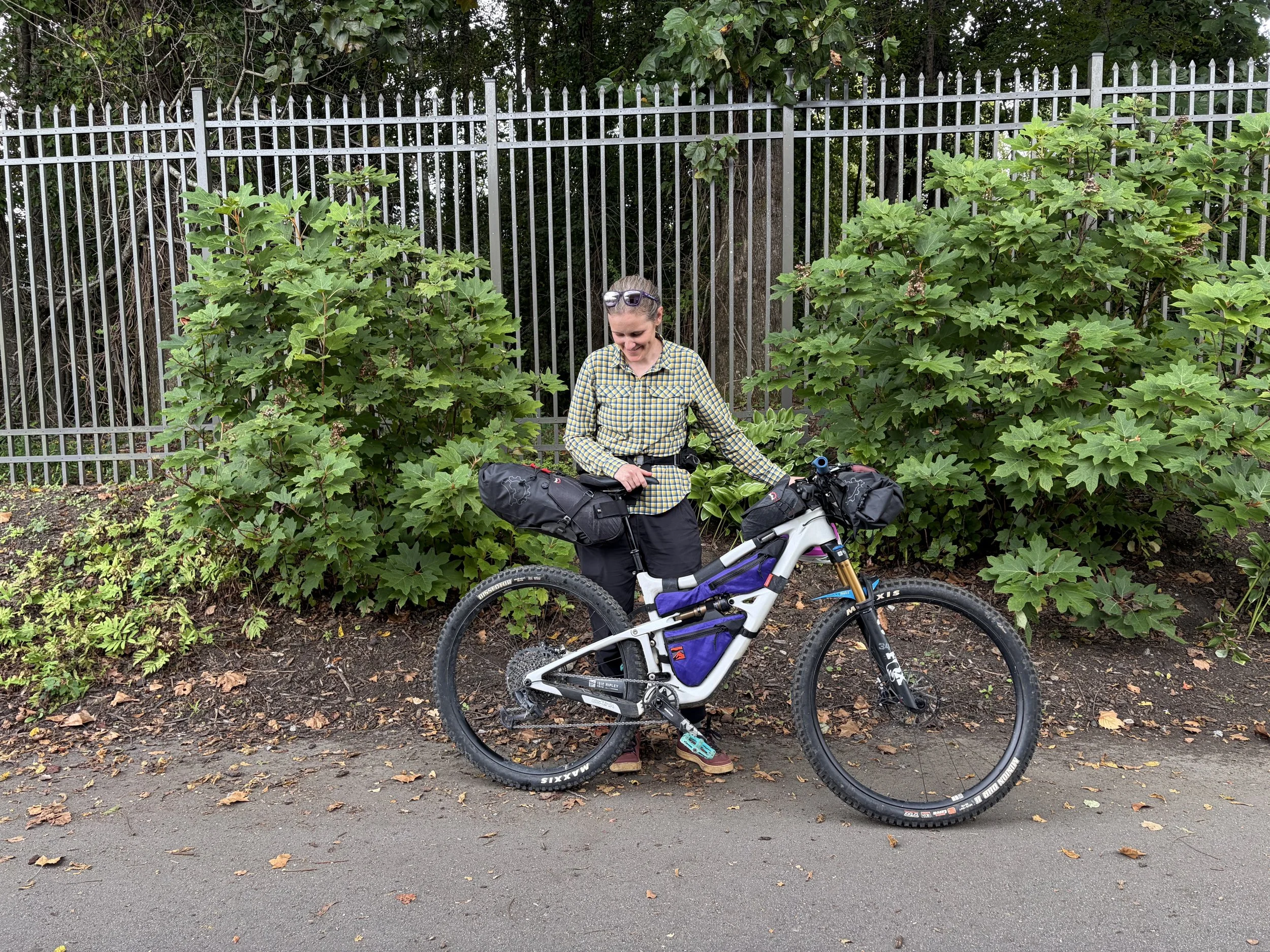
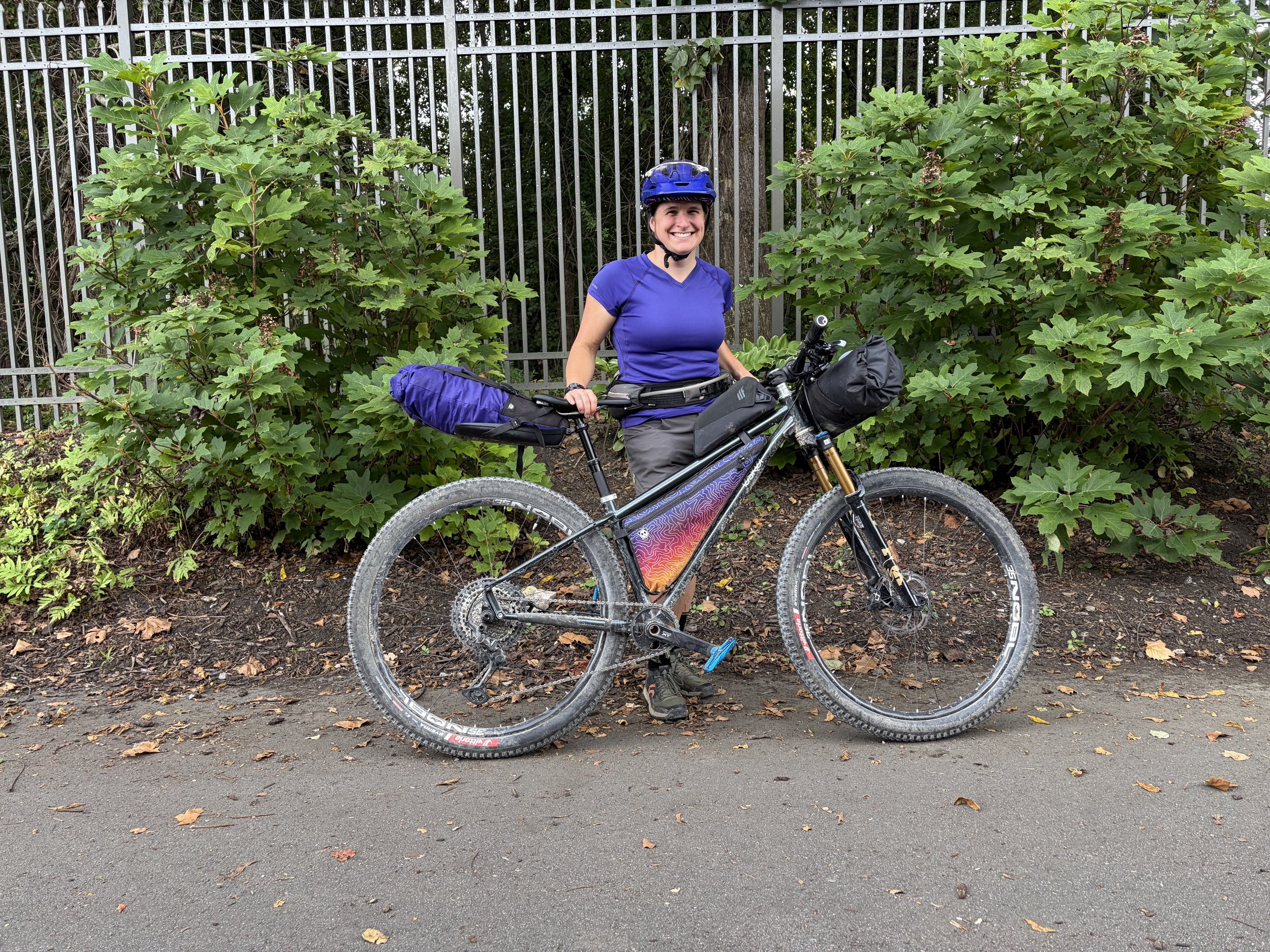
Her biggest worry going in was fitting everything on her bike. She was so anxious about it that the Tuesday before the trip, she drove to the shop with her bike and all her gear so Caitlin could help her sort out what to pack, what to leave home, and how to load it all onto the bags she already owned. "It was like a big game of Tetris," Anna said.
That kind of hands on problem solving is the heart of what Caitlin refers to as Bikepacking 101. Riders don't need the lightest gear or the most expensive setup, they need a safe route, a properly loaded bike, the essentials to take care of themselves, and a plan for minimizing their impact. As Caitlin puts it, "Bikepacking 101 is less about having a perfect gear list and more about developing good judgment and safety for the rider and surrounding environment."
That same philosophy carried into the trip's focus on Leave It Better, part of Explore Brevard’s initiative to protect and preserve our pristine forests and waterways for future generations. For Caitlin, teaching those principles is one of the most rewarding parts of leading a trip like this. Riders learned to pack out more than they pack in, to protect trails by avoiding muddy sections rather than widening them, and to keep campsites small by using established sites and checking for micro trash before leaving. "The most important aspect of it is to teach other forest users that this is the norm," she said. "Leaving it better is essential for sustainability, and I encourage everyone I run, bike, hike, bikepack, swim, or kayak with to spread that same message."
Out on the trail, Anna found her toughest moment climbing Avery Creek Road in the heat of the day. It felt like an endless grind, and she caught herself putting unnecessary pressure on the climb before remembering the group was riding at its own pace, no drop. That reminder let her take a few breaks, shake off the stress, and get back to enjoying the ride.
The best moment came at camp. Anna set up her footprint and tent by herself for the first time, and that evening, with Caitlin's help, she finally learned how to use the stove canister she had owned for a while but had always been a little intimidated by. The next morning, she boiled water and made her own breakfast, on her own.
Anna also came away with a new appreciation for the mountain biking community itself. Even though the riding scene in Western North Carolina is massive, she found it remarkably small and tight knit at its core, and she experienced firsthand how supportive and willing to help everyone was, with zero judgment for wherever she was in her learning journey.
Caitlin noticed that shift too. Over the course of the weekend, she watched uncertainty about gear and loaded bikes give way to real confidence. "What I loved most was seeing the mindset shift from 'Can I actually do this' to 'Where can I go next,'" she said. One moment stood out in particular, helping a rider use a piece of camping gear she had been nervous to try alone. "Once we went through it together and she realized, 'Oh, I can do this,' you could see the confidence almost immediately," Caitlin said. "That confidence creates a deeper connection to the forest, and I think, a greater desire to take care of it."
Caitlin also pointed to something specific about a women only setting. The fundamentals she teaches don't change, but the group dynamic does. It tends to create more space for people to ask questions and admit when they don't know something, without feeling like they need to prove their experience.
For any woman on the fence about trying bikepacking, Caitlin's advice is simple. "You don't have to know everything or have the perfect setup before you start," she said. "Begin small, choose a manageable route, borrow or use gear you already have, and go with people you trust." Anna's advice lines up closely. Borrow equipment if you don't have it, take a few test rides, listen for anything rubbing that shouldn't be, and practice switchbacks with the extra weight, since a loaded bike handles differently than you might expect.
Anna is already looking ahead to more time in Pisgah. She recently moved to Saluda from Raleigh and can see herself wanting to be even closer to DuPont and Pisgah. She hopes to build real confidence on the blue trails here, and having seen several free campsites along the route, she is already thinking about future trips where she can stay longer now that she knows how to set up her own tent and run her own stove. Longer term, she is eyeing something like the East Coast Greenway and researching beginner friendly bikepacking races. She's also hoping to get more involved with trail work itself, digging in the dirt, clearing trails, and learning the why behind how Pisgah's trails are built.
This is exactly why Pisgah Area SORBA and Earth Mountain will keep building trips like this one. A weekend, a dedicated teacher, and a little bit of courage can turn "can I actually do this" into "where can I go next." If you're curious about joining a future women's bikepacking trip, keep an eye on our events page, we'd love to have you.
Help us Leave It Better!
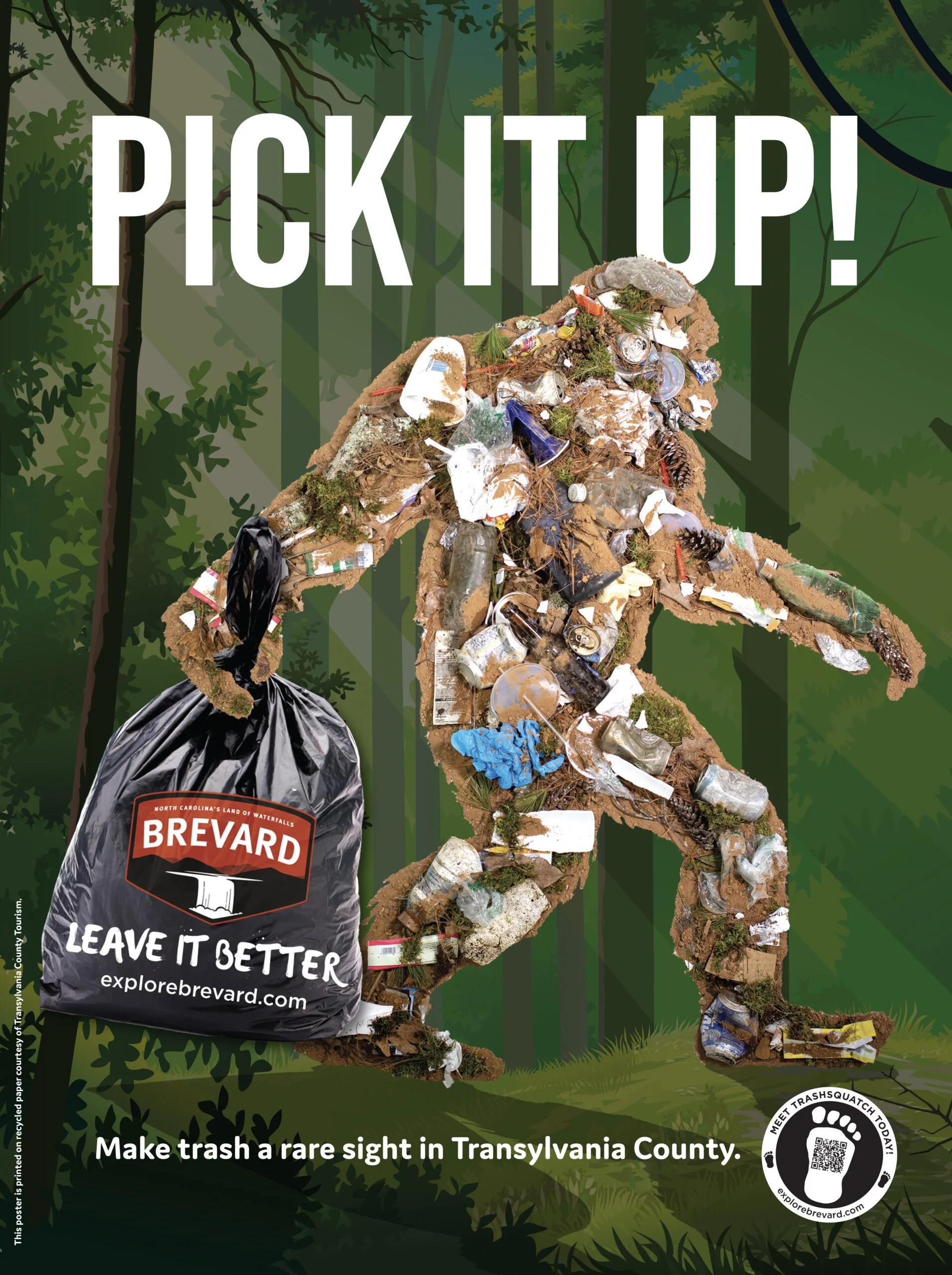
Transylvania County is over 50% public land. Explore Brevard created the “Leave It Better” initiative to protect and preserve our pristine forests and waterways for future generations. Explore Brevard ask’s that next time you venture out and see trash in our public lands or waterways, just ask yourself: What would Trashsquatch do?